01
Core work
- CI/CD pipeline automation setup (GitLab, GitHub Actions)
- Infrastructure as Code template creation (Terraform)
- Application containerization scripting (Docker configurations)



We automate how your software is built, tested and released, and keep your cloud healthy. Your team ships updates faster and with fewer problems.
Dev, test, and live look alike
Broken changes fail in the pipeline, not for customers
A bad release is a reverse, not a weekend


The way you build, check, and ship the product, plus how the servers are described so a new environment is not a memory test.
Want someone to watch it after? See managed cloud.
If you own the budget, the product, or the operation, this page should help you decide.
Deploys are tribal knowledge. You want a path a new hire can follow.
Features sit finished for weeks because release is scary. That is a process problem.
You need to know what changed when the phones light up.
What you get
The work buyers look for, described as outcomes.
Pick a starting point. We will confirm it on a call.
A short working session so you know what to fund first.
Single-click deployment setup running in seconds
Consistent environments ending "works on my machine"
If this sounds like your week, we should talk.
We design cloudops & devops so this shows up in the business, not only in a demo.
We design cloudops & devops so this shows up in the business, not only in a demo.
We design cloudops & devops so this shows up in the business, not only in a demo.
We design cloudops & devops so this shows up in the business, not only in a demo.
Named products in production, a call that ends with a next step, and AI when it helps the live system.
IbisHR, Array Corp, AICO, and Workloop as named proof.
Plain language so non-technical buyers can decide.
We use AI to ship, and we can make the product AI-native too.
Book a call when you are ready to discuss the project.
Tech stack
The tools and platforms behind our work, chosen to fit your project.


Proof
Results from live products.
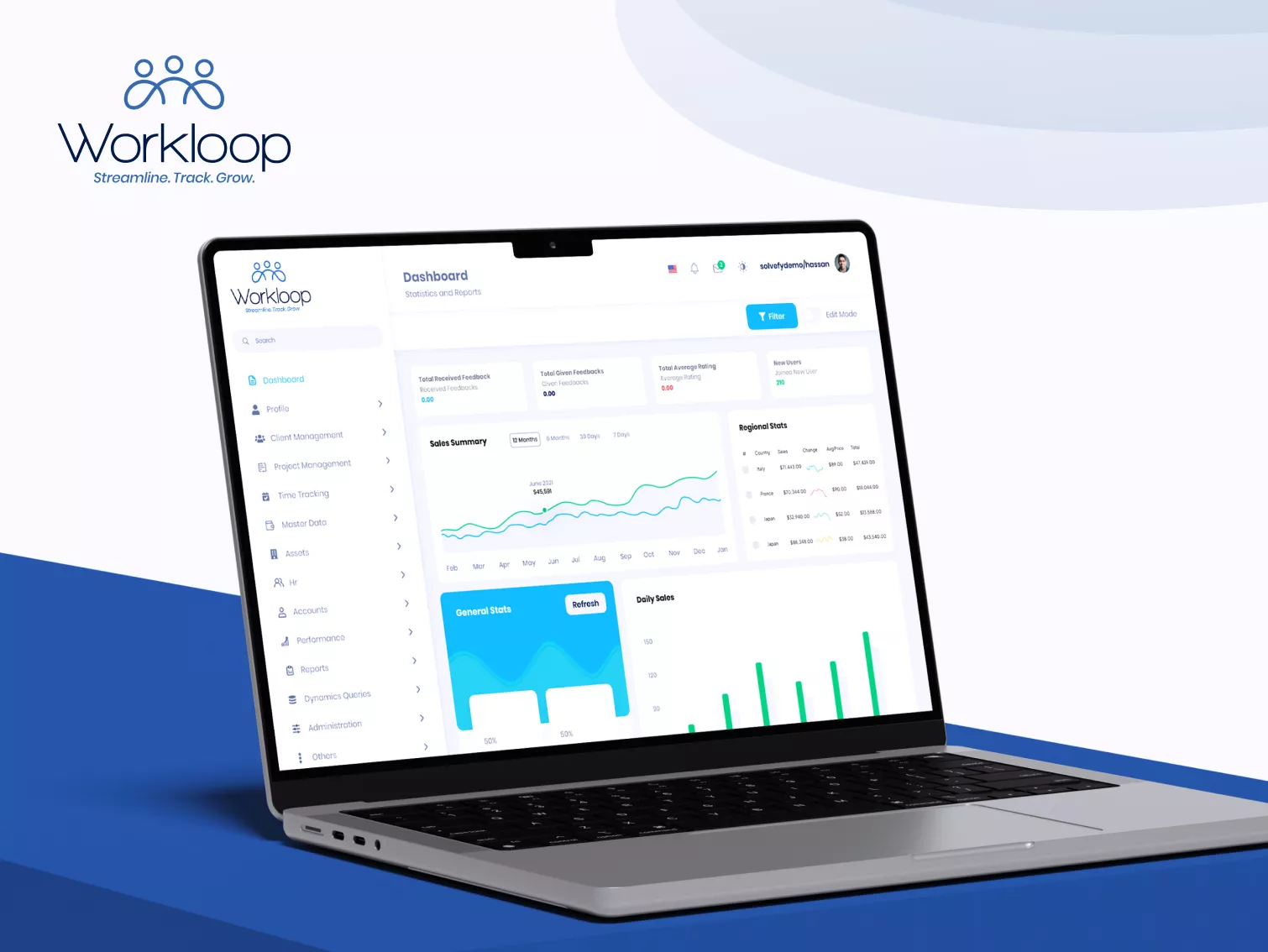
Repeatable deploys on the web product so shipping stopped being a Friday risk
Read full case study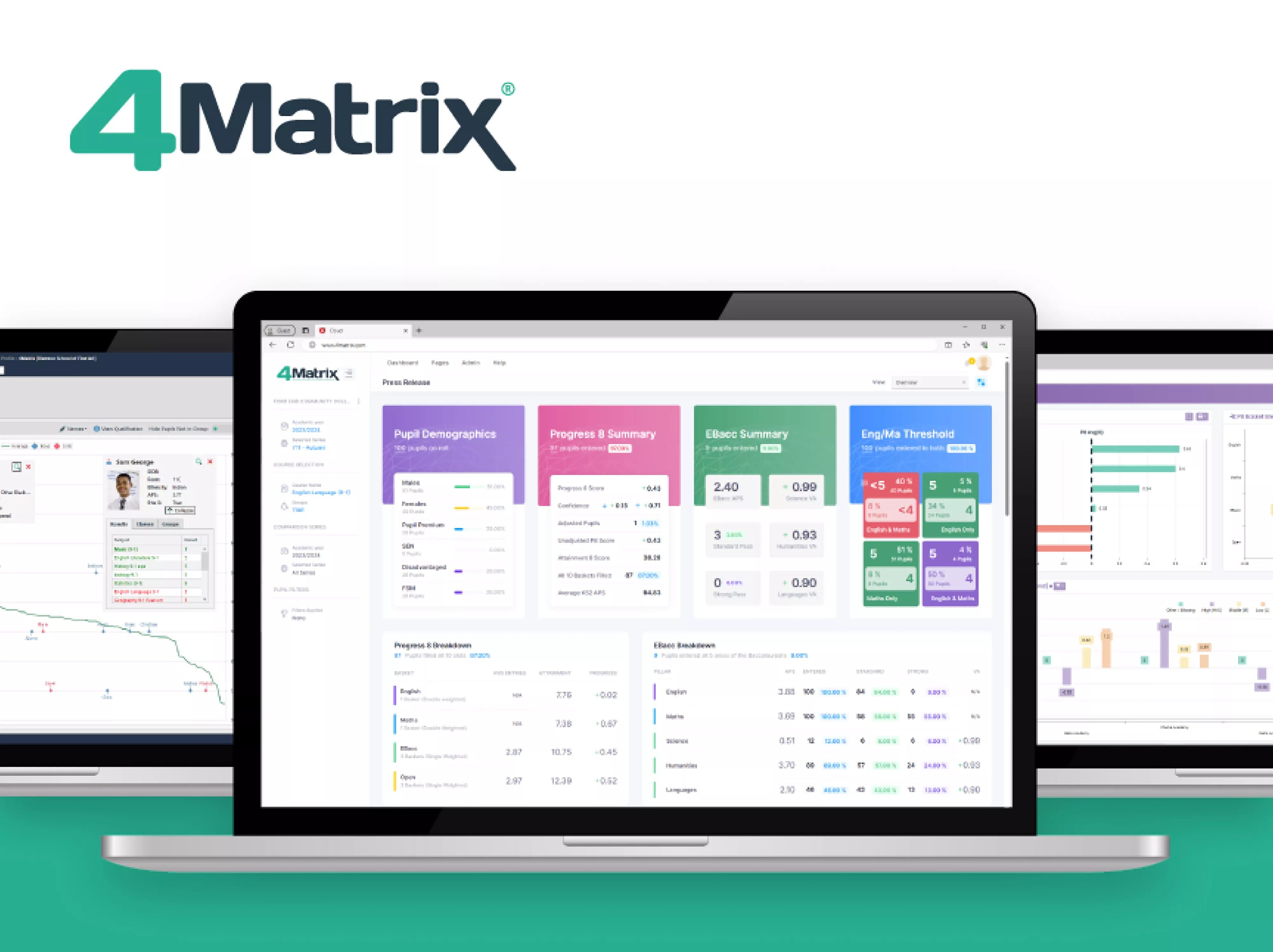
Consistent environments so education product releases were not tribal knowledge
Read full case studyA sequence you can follow without a glossary.
We confirm this step with you before we move on.
We confirm this step with you before we move on.
We confirm this step with you before we move on.
We confirm this step with you before we move on.
We confirm this step with you before we move on.
Useful if you are sharing this page with a colleague.
We use AI in how we plan, document, and build cloudops & devops, so delivery moves faster and a person still reviews what matters. The same approach can live in your software: agents, copilots, and call handling inside the workflows your team already runs.
Faster delivery: specs, docs, and integration drafts sped up by AI, checked by people
AI in the build: tests, reviews, and handoff that are part of how we ship, not a later phase
AI in your product: copilots, agents, and call handling next to the records operators already use
A cloud plan that matches cost, risk, and growth.
Move first if you are still on old hosts.
Watch and patch after you can ship.
Questions teams ask before they hire for CloudOps & DevOps.
A repeatable path from a change to production, automated checks, and environments that match, so “it worked on my machine” stops being the process.
We use the tools you already have when they work: GitHub, GitLab, Azure DevOps, and similar. The point is the path, not a logo.
Yes. We start with the release that hurts most, then expand, so the team is not learning a new world in one week.
Tell us what is stuck. We will map the next step on a call.